Case Study
Asian American Christian Network of Atlanta
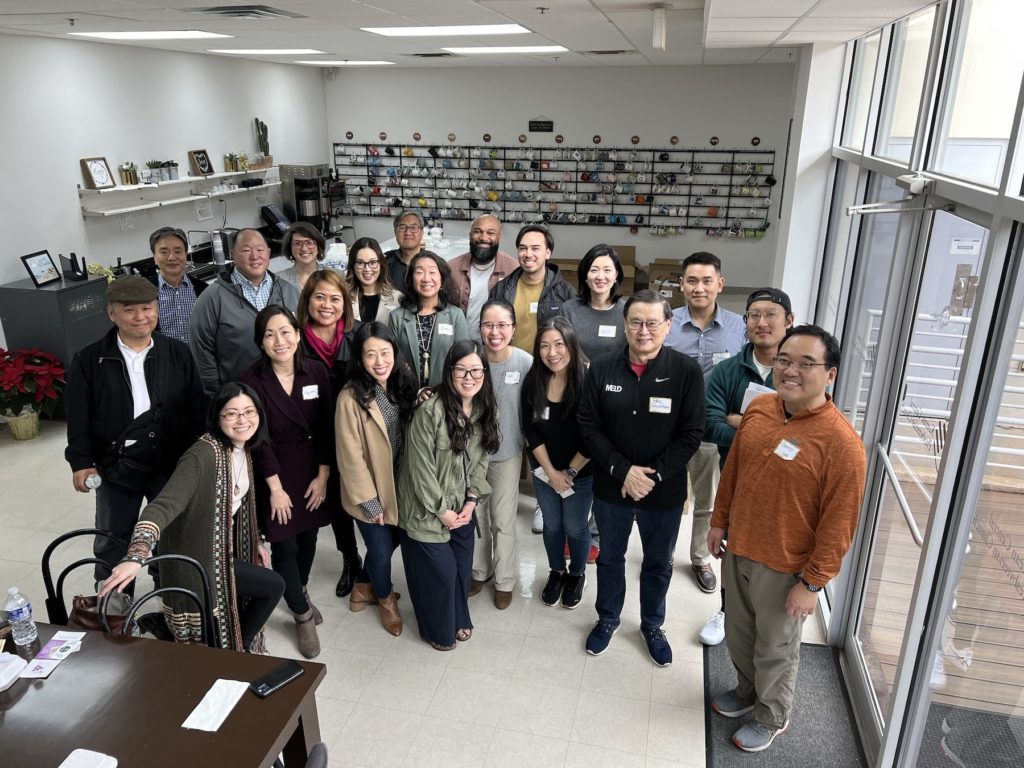
The Asian American Christian Network of Atlanta (AACNA) is a volunteer-led, ecumenical network that took shape in metro Atlanta after the Atlanta spa shootings of March 16, 2021. This case study, prepared for our digital humanities website, draws on AACNA’s initial grant application and its final report to the Asian American Religious Coalition (AARC). It is offered as a toolkit narrative for Asian American religious community organizers seeking coalitional justice: a record of practices that helped a network gather, persist, and grow.
Asian American Christian Network of Atlanta
Context
Metro Atlanta’s sprawl shapes the everyday conditions of coalition. Asian American Christians often live far from one another, travel long distances, and worship across many congregations and denominations. Coalition in such a setting depends on repeatable practices and reliable conveners who can sustain relationships across geography and ecclesial difference.
AACNA’s origin story is inseparable from shared public memory. In the days following the spa shootings on March 16, 2021, local Asian American Christians gathered to plan a Stand for AAPI Lives (Asian American and Pacific Islander) rally on Buford Highway, an immigrant corridor that functions as a public symbol of Asian presence in the region. A group of mostly Asian American women organized the rally quickly. The relationships formed there continued through regular meetings and subsequent gatherings.
Asian American Christian Network of Atlanta
Problem
AACNA named three interwoven challenges. Asian American Christians across metro Atlanta often lack shared spaces beyond congregational boundaries. Many also experience fragile confidence in Asian American identity development within church life, including uncertainty about whether Asian American histories and perspectives belong in Christian formation. The spa shootings sharpened a third challenge: responding to anti-Asian hate and violence through a Christian frame of memory, hope, and public responsibility.
Asian American Christian Network of Atlanta
Vision of the Project
AACNA’s mission is “to amplify Asian American voices to equip, educate, and connect Christian churches in Atlanta.” Its vision is “to encourage, resource, and transform the Church through Asian-American voices.” These statements carry an organizing wager. Coalitional justice begins with voice, since voice makes experience shareable, interprets memory, and gives communities language for faithful action.
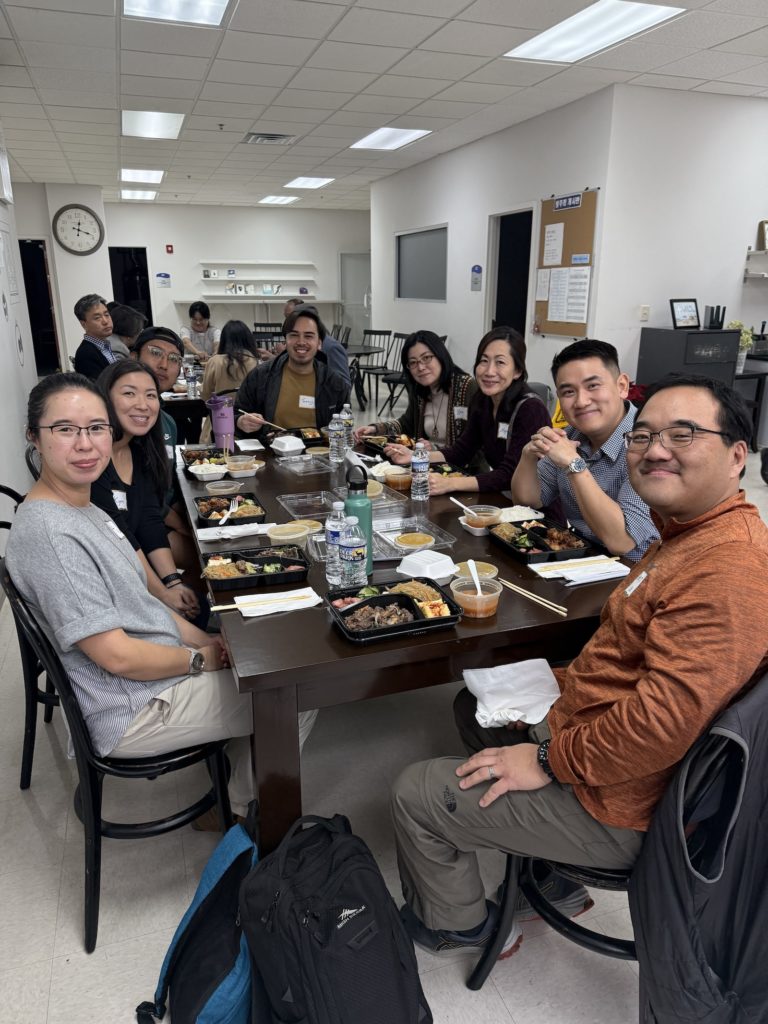
AACNA embodied this vision through “Remember and Renew,” an annual gathering held near the anniversary of the shootings. The event holds together remembrance and renewal through worship, Asian American storytelling, guided reflection, and a shared meal designed for table conversation. Table fellowship functions as a practice of coalition: people receive difficult stories, recognize common struggles, and meet one another across church boundaries.
Asian American Christian Network of Atlanta
The Lived Experience of the Project
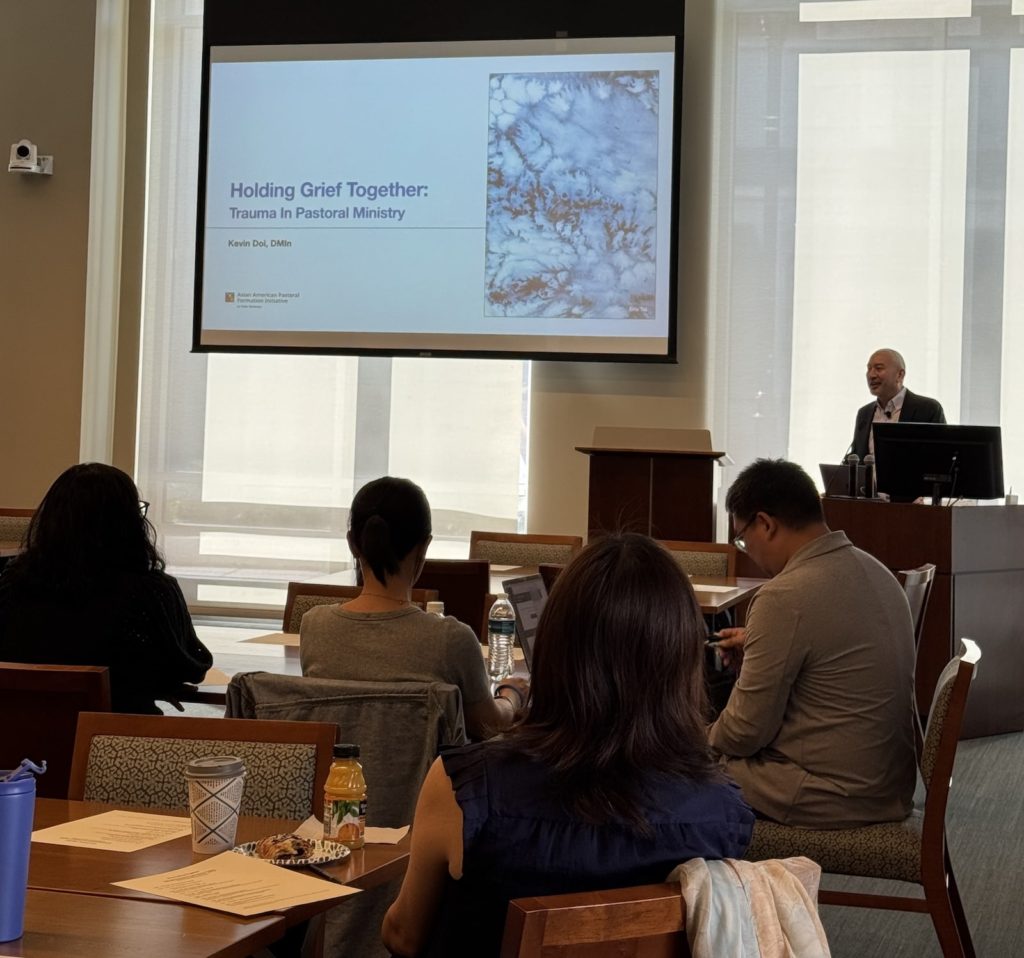
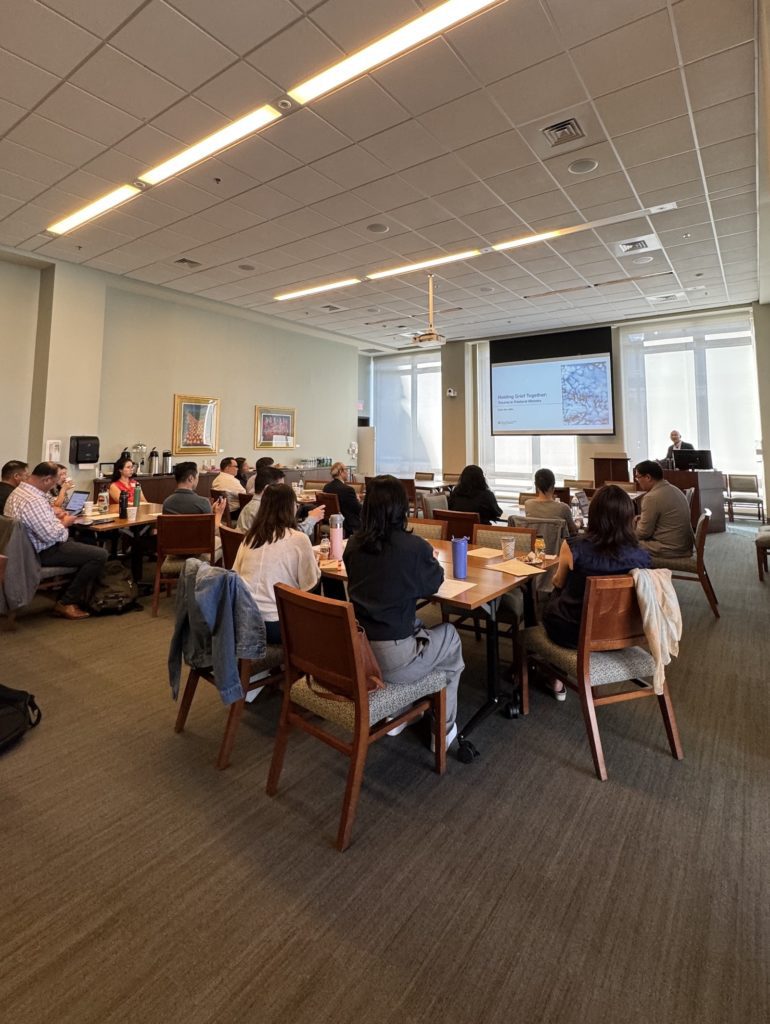
AACNA’s final report shows a network translating vision into rhythm during 2024 and 2025. AACNA continued “Remember and Renew” as its signature gathering, drawing about 160 participants in 2024 and about 90 in 2025. It hosted a community dinner on mental health, convened recurring lunches for pastors and ministry leaders, launched a new website, offered a small set of formation scholarships, and hosted a day-long pastoral conference on “Flourishing Together.”
Participant feedback clarifies what these gatherings accomplished. Attendees describe the act of coming together as healing and strengthening. They name the relief of a setting where Christian faith and Asian American identity can be spoken together without apology. They also describe storytelling as a practice that deepens connection and increases visibility within the wider church.
“The simple act of coming together and reflecting on our shared experiences is healing and strengthening.”
Pastoral convenings reveal another dimension of coalitional justice. Pastors and ministry leaders often carry vocational strain alongside relational isolation. Feedback from AACNA’s gatherings named renewed commitment to sustainability and rest, including Sabbath practices, and highlighted the meaning of being in a room with other women ministry leaders.
“I was encouraged by the emphasis on Sabbath rest.”

Asian American Christian Network of Atlanta
Lesson Learned
Mission clarity functions as an organizing tool.
In late 2024, AACNA’s leadership team demanded greater focus before planning additional events, and that demand led to a guided revision of mission and vision in early 2025. Clear language stabilized expectations and renewed morale by clarifying what the network exists to do at this stage.
Volunteer leadership requires structures that can carry weight.
Irene Wong describes the strain of leading AACNA while holding demanding roles elsewhere. Sustainability increased through nonprofit incorporation, board formation with defined roles and term limits, and a Programs Committee to distribute planning responsibilities. Shared responsibility became more workable when the work was named and assigned.
Venue selection shapes coalition identity.
AACNA pursued “neutral” space for community dinners outside church settings, then encountered vulnerabilities around cost and privacy. Host-site transitions also required adaptation as congregational leadership changed. For coalitions in dispersed metros, location signals who can attend and which neighborhoods are centered.
Ecumenical gathering brings theological difference into view.
AACNA recounts conflict over serving communion at a “Remember and Renew” event and later feedback about denominational comfort. Coalitional worship requires advance conversation about practices that carry deep theological weight. The report also names dynamics of gender and representation: AACNA is known as a women-led network, and it continues the work of building a pan-Asian network in a region where Korean American Christians make up a large share, and where one subgroup can easily become the default center.
Asian American Christian Network of Atlanta
Emergent Questions
Asian American Christian Network of Atlanta
Conclusion
AACNA closes its report with gratitude for the grant process and for the mutual learning created through peer exchange. Coalitional justice work develops through accompaniment. Organizers grow stronger through relationships that recognize shared challenges and cultivate shared wisdom.