
Case Study
Asian American Violence Reduction Coalition
The Asian American Violence Reduction Coalition (AAVRC) is a partnership of the Chin Community of Indiana (CCI) and Englewood Community Development Corporation (ECDC), who have come together to build a coalition led by Chin congregations to address the growing prevalence of violence among the youth of the Chin community around greater Indianapolis. After just a few decades, the Chin people now number over 30,000 on the southside of Indianapolis, which is the largest concentration of their population outside of Burma (officially Myanmar).
Asian American Violence Reduction Coalition
Youth in “Chindianapolis”
Indianapolis is home to one of the largest concentrations of refugees originating from the Chin state in Burma. By some estimates, Chin Americans now number over 30,000 in Indianapolis, where they reside primarily around Southport, which is on the south side of Marion County. The vibrant Chin community in Indianapolis has earned the city the nickname “Chindianapolis.”
In recent years, Chin American youth have experienced a variety of struggles as they have searched for a place of belonging in an urban American context. Community members, politicians, and local law enforcement have been particularly alarmed by the involvement of Chin youth in gang activity, drug use, and violence. In 2025, for example, two Chin American youth were involved in a fatal shooting outside a local YMCA. In response to incidents like these, government officials have called for increased investment in anti-violence programs, and public schools have taken preventive measures to improve safety and develop protocols around gang activity, drug dealing, and violence.
“Community members, politicians, and local law enforcement have been particularly alarmed by the involvement of Chin youth in gang activity, drug use, and violence.”
Chin churches have taken a slightly different approach. Long revered as a pillar in the Chin American community, churches have fashioned themselves as a safe and welcoming space for their people. However, this welcoming atmosphere has made them vulnerable to the seedier, more underhanded, activities of Chin American youth, with illicit drug transactions and distribution occurring during high school ministries within church buildings.
Asian American Violence Reduction Coalition
CCI and the Winter Sports League
Leaders at Chin Community of Indiana (CCI), a community organization established by a group of Chin congregations in 2002, wanted to address the problem of violence and gang activity among Chin American youth.
Factors Contributing to Gang Membership
As they considered the issue more deeply, CCI leaders observed that Chin American youth had several needs that contributed to their decision to turn to gangs. First, young people needed structured recreation, positive peer engagement, and alternatives to high-risk environments, especially during winter months. Second, they needed safe and accessible gathering spaces after school and during school breaks. Finally, they enjoyed athletic activities, but they were often unable to participate in organized sports due to the high cost of equipment, uniforms, and membership.
CCI believed that a winter sports league would address these issues. Together with Englewood Community Development, they engaged more than 200 Chin youth, ages 16 to 25, in basketball, indoor soccer, and volleyball tournaments across two winter seasons.
AAVRC Programming
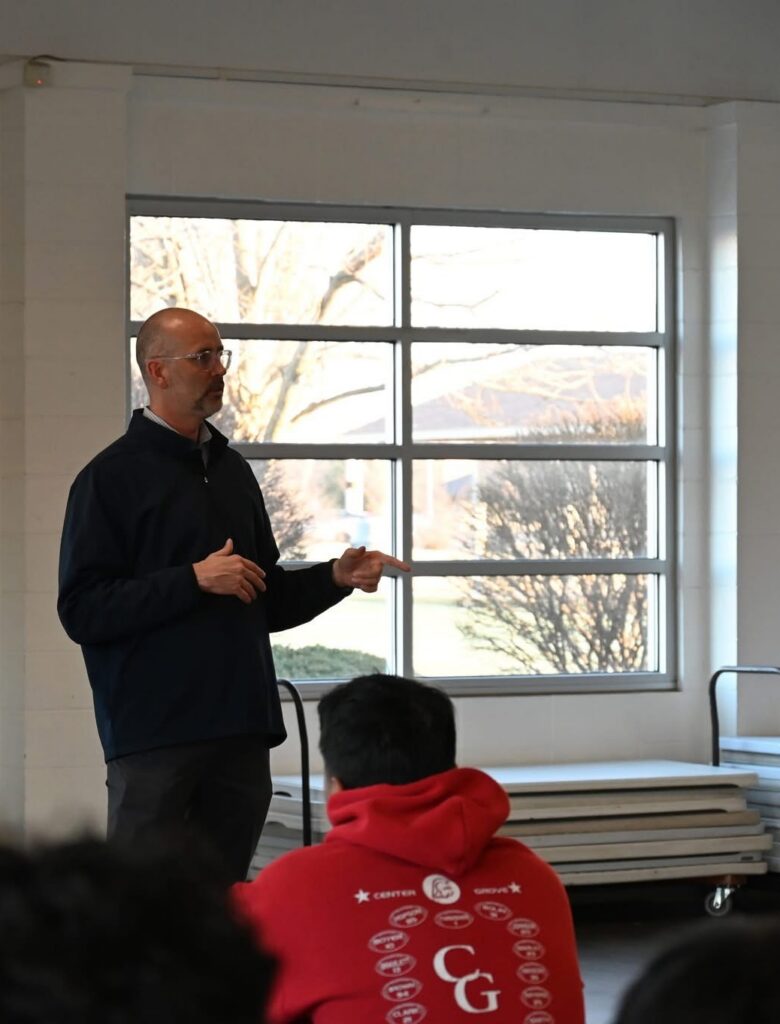
The winter sports league did more than host sports tournaments. Project organizers provided youth mental health programming that supported the overall well-being of participants. The winter sports league also incorporated violence-prevention education and invited guest speakers with extensive experience working with youth affected by violence. These guests included Anthony Beverly of Stop the Violence Indianapolis and Ryan Mears, Chief Prosecutor of the Marion County Prosecutor’s Office. Both leaders shared their professional backgrounds, discussed the realities and consequences of violence, and engaged the youth in conversations about making safe and healthy decisions.
Asian American Violence Reduction Coalition
Outcomes
CCI’s primary objective was to create a safe and structured environment for Chin American youth to gather and engage in positive activities in a supervised setting during the winter break, thereby reducing their risk of getting involved in gangs and violence.
In this regard, the winter sports league was a success. Youth who participated in the program spoke positively about their experience and shared that the league fostered greater social connection. Here is their feedback, in their own words:
- “I learned that you can become friends with people you never expected to befriend.”
- “This league helped me improve my social skills.”
- “I learned the importance of connecting with my community and how rewarding it feels to stay connected, as well as building additional connections.”
Youth Participant Surveys
Survey data confirmed the project’s positive impact. Of the 74 youth participants who participated in the final survey, 18% reported learning something new as a result of participating in the Winter League, and 92% indicated that they gained what they had hoped to achieve through the program.
The survey also indicated the broad impact of violence on Chin American youth and the value of the winter sports league in intervening in that problem. When asked about personal experiences with violence in the Chin American community, 21% reported having experienced violence themselves, and 81% of respondents indicated that they know someone who is currently involved in violence. But also saw organized recreation like the winter sports league as providing a positive alternative to violence. Over 70% of respondents stated that sports and structured activities play a helpful role in reducing violence within the community. These findings highlight that youth are highly aware of one another’s experiences and closely connected within the community, underscoring the importance of providing safe, positive, and community-building outlets such as the Winter League program.
Law Enforcement Data
Over the duration of the winter sports league, Southport law enforcement noted a dramatic decrease in criminal and gun-violence incidents involving Chin American youth. This trend tracks with the general decrease in violent crime in Indianapolis and in the United States more broadly after 2021. It is difficult to determine the degree to which the winter sports league on its own reduced violence among Chin American youth. However, based on the stories shared by participants, it is clear that providing youth with accessible outlets for recreation, connection, and belonging, aligned with their interests, plays a vital role in promoting their individual and collective thriving.
Asian American Violence Reduction Coalition
Lessons Learned
Create opportunities for youth collaboration and networking beyond individual church groups.
With more than 60 Chin churches in the local area, working in isolation can limit youth exposure to broader community relationships. Continued collaboration across congregations enhances the overall youth experience and may contribute to greater willingness among young people to remain engaged in the community and serve as future leaders within the church.
Give young people the space to speak and for others to listen.
CCI would have liked to have more youth engage in deeper discussions that uplifted their voices and promoted open, targeted dialogue around the issues they face. Relying primarily on guest speakers, without creating opportunities for youth-led conversations or interactive engagement, limited their ability to achieve the program’s central goal as originally proposed. Moving forward, they see the importance of incorporating more youth-driven dialogue, peer-led discussions, and opportunities for young people to reflect, share, and shape solutions within their own community.
Remember that you are working against a broader problem of disengagement–and be patient.
At times, turnout at events was low. Although some challenges with youth participation were expected, project coordinators were confident that turnout would remain high once the financial barrier of registration fees was removed, but that was not always the case. This reflects a broader, ongoing pattern of disengagement among youth when events involve reflection, recognition, or more serious discussions. To improve turnout, invite young people to communicate the importance of these events to their peers, reinforcing that youth voice, presence, and participation are essential to strengthening the overall impact of the program.